Subtotal $0.00


Pandemic has shaken the whole world and unfortunately contributed to rising mental health concerns. Fortunately, not everyone facing the situation reacts in the same way. This means ‘building mental resilience’ will definitely help to lessen the impact on one’s mental health.
In part I of this blog, we have seen some practical steps that can be accommodated in our daily routine to build mental resilience. Now let’s discuss how we can work on our thinking and emotions to handle the situation in a better way.
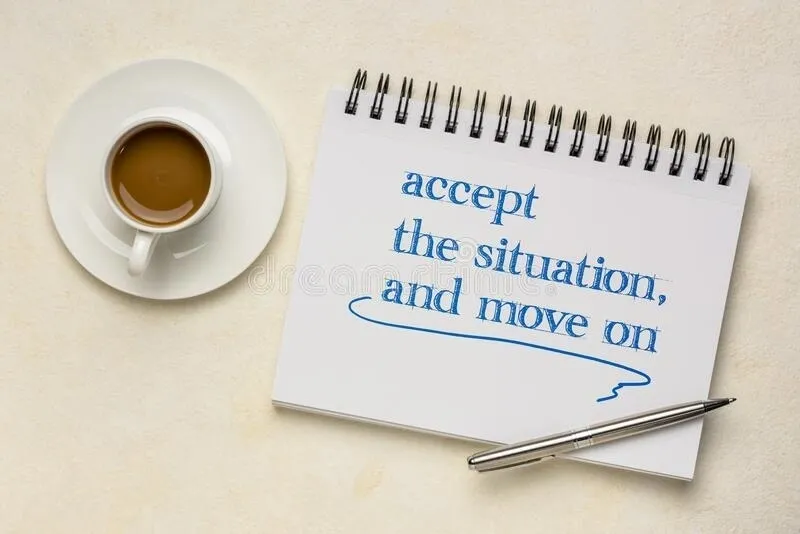
We have experienced a lot of unexpected and challenging situations since the onset of this pandemic. One of the essential tools to face the challenge is to accept it. Acceptance is neither surrendering to the situation nor suspending our efforts, but rather to acknowledge and further explore possible ways to deal with it.
Some people cope up with uncertainties by denial, for example, they might hold the believe that ‘Even though so many people are being affected by COVID -19, I will never be affected in any case’. However, in case when they get affected then they tend to get overwhelmed and cease to think of any possible solutions. Hence the key here is to be psychologically prepared.
A part of acceptance is to identify the factors that lie within & beyond your control. Learn to accept things that you cannot change; whereas concentrate your efforts on things where you can make a difference. For example: ‘It is important to acknowledge the fact that this pandemic might last for a year or even more. So, it is fruitless to constantly overthink and become fearful about viral mutations that may arise, increasing rate of fatalities/ complications worldwide; or feel distressed about policies for disease control in general. All of this will only add on to your distress. Instead, one can focus their efforts on taking appropriate precautions for themselves as well as for their families.
In times like these, it is quite common to experience distressing emotions. It is important to acknowledge them and create an environment to express. In case, these negative emotions are prolonged and thereby create an interference with your daily routine or functioning, then it is highly advisable to seek professional help. For example: ‘Work from home or restricted social gatherings may induce stress and frustration amongst individuals. When these frustrations turn into frequent anger outbursts affecting relationships or work performance, then this can be an indicator to seek professional help’.

Thinking is an important determinant of how we react to challenges; as it is not the event but the evaluation of an event that determines our response.
Learn to differentiate between possibilities and certainties.
When you worry about consequences, try to identify whether it is a possibility or a certainty.
For example: ‘Since the symptoms of COVID-19 & flu are common, if a person shows symptoms of flu or any other health related symptoms for that matter, the level of anxiety will remain high until they get their test results.
In such situations, if one believes with certainty for getting COVID positive, then the resultant anxiety will be very high and will impair his/her functioning. On the other hand, if one considers getting COVID positive as one of the possibilities amongst many others, then the person might feel concerned over the test results, but still be able to continue to function normally.’
Prepare yourself for possible consequences and plan for alternatives
Identify the situations you are likely to experience and think about different alternatives to face them. This is also a type psychological preparation for any possible consequences. Make use of creativity while generating these alternatives. For example, it is helpful to know what are the different practical arrangements needed in case one tests positive or needs to be quarantined. it might be advisable to plan for keeping enough stalk of longer-term medications (if any) or financial arrangements.
Reframe the situation & look at the bigger picture
If you are finding it difficult to comply with different restrictions or rules, then think about the actual purpose behind them (i.e. control of pandemic in this case). This way you can contribute your share & minimize the distress.
Focus on the positives & appreciate what you have
It is individual’s responsibility to stay hopeful. So, try to look for the positive aspects in every situation. The times are difficult, but this way we can try to make it bearable. On the other hand, if we keep on harboring negativity, the difficult situation can become worse. Positive self-talk is very important.
Watching news from trusted sources
News create an impact on our thinking and emotions. It is highly recommended to access news from reliable sources and that too at specific time intervals only. Avoid discussing negative topics on different social media groups as these discussions are mostly based on the factors that are out of your control.
Finally, to stress over the point, seek appropriate professional help in case of constant negative thinking, ideas of self-harm or exacerbation of any pre-existing psychiatric illnesses.
To conclude, times are difficult but we can definitely make it bearable by building our mental resilience. The following acronym can help in summarizing the important tips around it.
M I N D – R A I S E
Maintain healthy routine
Importance of support network and supporting your children
No to unhealthy habits
Do spend time for fun and relaxation
Realize and express your emotions
Accept the situation
Introspect and enhance your thinking
SEek professional help whenever necessary……