Subtotal $0.00


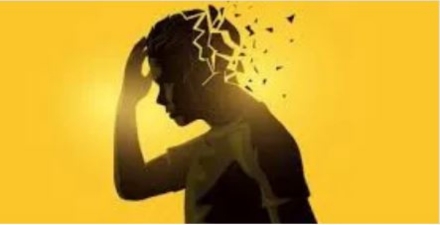
Mental health does not exist as a binary state, rather it exists as a continuum, from mental well being at one end to illness at the other; with varying levels of distress in between
Let’s understand the different components of this continuum
Mental wellbeing or positive mental health (Green Zone) will help you thrive in various areas of life such as family, relationship, career, work, play in spite of ups and downs. It helps us to realize our own potentials, increases work productivity and ability to contribute to the community. Everyone wishes to stay forever in this zone!!!
Commonly known Mental health disorders or psychiatric disorders (Red Zone) are depression, bipolar disorders, schizophrenia, other psychosis, anxiety disorders, dementia & developmental disorders such as autism. They are presented as a combination of abnormal thoughts, emotions, behaviors & perceptions and these can be associated with severe disturbances of sleep, appetite, energy levels, great difficulty at work etc. These conditions are perceived as severe suffering. Around 10-15% of the world population is affected by this.
Mental Distress (yellow and Orange Zone) lies in between illness and wellness. In mild distress or yellow zone, you are able to survive though you have milder forms of emotional / behavioral difficulties, while increasing distress or orange zone indicates that you are now struggling to cope up with the challenges. Majority of population experience these zones at some point.
In this state you can feel varying degrees of distressing emotions, have negative thinking and some disturbance in sleep/ appetite. You often tend to doubt yourself, have problems with decision making and there can be difficulties experienced at work/ in relationships. Although you may struggle on different fronts, you may not be completely shattered. You may not present enough criteria for diagnosis of a psychiatric disorder; however, you continue to feel distressed.
Dynamic nature of mental health continuum
Mental health is not static, it changes very often and it can change in either direction.
You can be in a green zone today experiencing mental wellbeing; but there is always a chance that you might slip into a yellow OR orange zone (distress) in presence of triggering events. One can even develop an illness if the mental health is stretched beyond a certain threshold. On the other hand, you can very well travel back to the green/ yellow zone if you take appropriate steps/ proper help.
The whole mental health continuum needs attention
We must acknowledge that no single person is immune to any form of distress or illness, every person has a probability to pass through the different states of mental health continuum over time. Hence everyone needs to pay regular attention towards their mental health irrespective of their current mental state.
One needs to make conscious efforts to enhance mental well- being and thereby prevent any development of mental health disorders or distress. In case, if anyone develops either of these, then seeking timely help is the key towards recovery.
Kindly note that mental health promotion activities can be carried out at various levels like individual, family, schools, organizations, community, national policy level, etc. For now, let’s focus what sort of different measures that an individual can undertake across different zones of the mental health continuum:
Mental wellbeing (Green zone) – At individual level, mental wellbeing can be achieved by inculcating some of the strategies and behaviors in our daily life. Here are some important ones: –
● Adopt a healthy lifestyle
● Maintain appropriate level of physical activity.
● Connect with people giving us sense of belonging as well as emotional support
● Engage in act of kindness
● Learn healthy coping skills
● Learn new skills to build a sense of purpose
● Practicing mindfulness helps to focus in the present moment.
Mild / Increasing distress (Yellow/ Orange zone) – Below steps could help you to recover and regain mental well being
● Maintaining a healthy lifestyle, get proper rest- nutritious food – exercise
● Try to identify the stressor and explore ways to deal with it
● Learn healthy coping and stress management strategies
● Seek emotional support from friends and family
● Learn better ways of communication
● Relaxation techniques
● Seek professional help (learn coping/ stress management)
● Psychotherapeutic interventions (e.g., Cognitive Behavioural therapy)
In the distress zone, an individual presents with a varying degree of mental health concerns. So, it is always recommended to seek help from a mental health professional to identify the exact zone that you may fall into. This is really essential in cases where the mental distress is severe and thereby affecting your functioning. Please remember that with increasing severity, self-help may not be sufficient enough. If appropriate professional help is not sought then there could be a high probability of moving to the illness stage.
Mental illness (Red zone): A combination of following modes of treatment based on the individual needs. This aims at reducing recurrences of mental illness, reducing disability and regaining mental well being.
● medicinal treatment
● psychotherapeutic interventions
● supportive counselling
● family counselling
● self-help groups
Adopting above recommendations would facilitate in achieving mental wellbeing and helping one to get ready to face the ongoing challenges. Given that every individual is a basic unit of the society, positive mental health of the individual will play an important role towards building a healthy society.